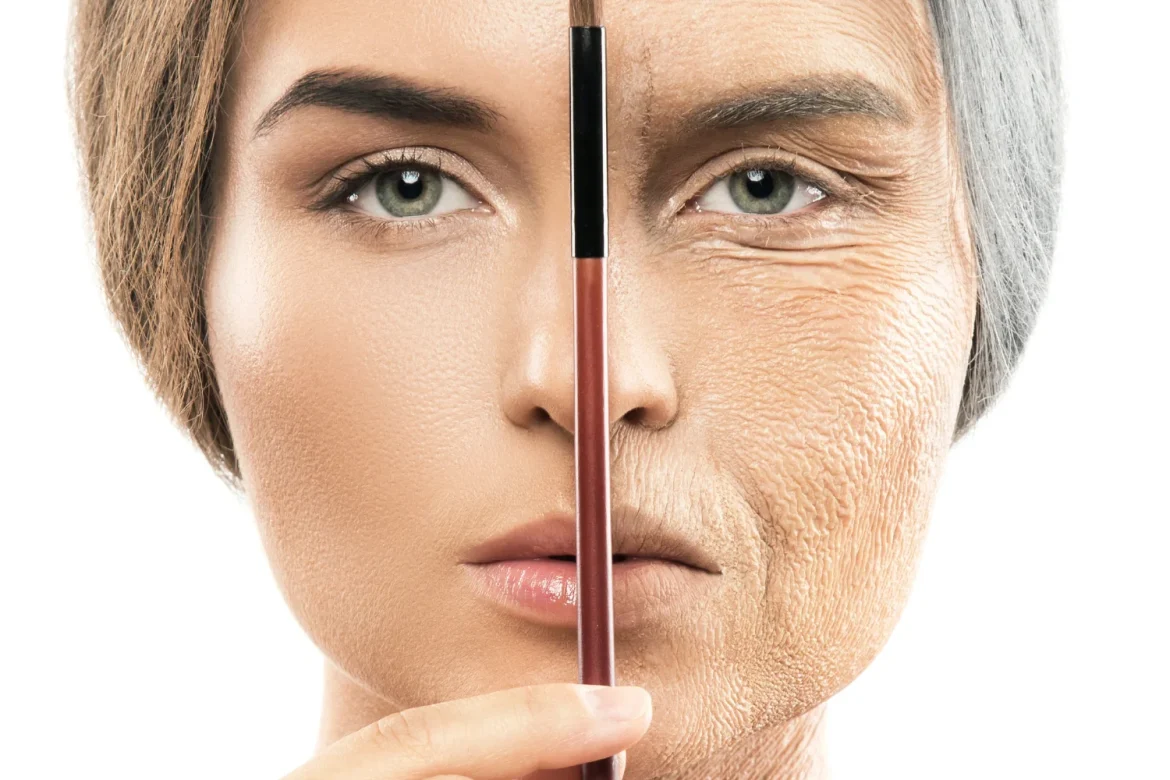
The promise of luminous, poreless skin has turned exfoliation into one of the most practiced rituals in modern skincare. Between glycolic acid toners, salicylic acid cleansers, enzyme masks, and gritty physical scrubs, the tools designed to slough away dullness have never been more accessible. For many, that initial burst of clarity after using a resurfacing treatment feels like undeniable progress. Skin looks glassy, smooth, and instantly refreshed.
However, the line between beneficial cellular renewal and structural damage is deceptively thin. Driven by the belief that if a little exfoliation is good, more must be better, countless individuals subject their faces to daily chemical and physical trauma. What begins as an innocent pursuit of youthful radiance often triggers the exact opposite outcome: premature cellular aging, accelerated collagen degradation, chronic dehydration, and deep-set fine lines.
Understanding why this happens requires peeling back the marketing claims and examining the biological architecture that keeps skin resilient, supple, and functionally young.
The Architecture of Your Skin Barrier
To understand how over-exfoliation accelerates aging, one must first appreciate the stratum corneum—the outermost layer of the epidermis. Often conceptualized in dermatology as a brick wall, the stratum corneum is composed of mature skin cells known as corneocytes (the bricks) embedded within a rich lipid matrix of ceramides, cholesterol, and free fatty acids (the mortar).
This barrier serves two non-negotiable evolutionary purposes: keeping vital moisture inside the body and shielding underlying tissues from external aggressors such as ultraviolet radiation, environmental pollutants, pathogens, and oxidative stress. Beneath this protective shield lies the basal layer, where fresh keratinocytes are born, alongside the dermis, which houses the collagen and elastin fibers responsible for structural firmness and elasticity.
Natural desquamation is the body’s innate shedding process. In young, healthy skin, cells migrate from the basal layer to the surface over a cycle of roughly 28 days, naturally detaching when their job is complete. Controlled exfoliation helps loosen the biochemical bonds holding older, dull cells to the surface. But when exfoliation is performed too aggressively, too frequently, or with incompatible combinations of active ingredients, it strips away living, functional cells before they have matured. The brick wall is dismantled, leaving the vulnerable infrastructure underneath fully exposed.
The Biochemical Pathways: How Over-Exfoliation Accelerates Aging
Premature aging caused by aggressive skincare routines is not merely a cosmetic issue; it is a cascade of micro-injuries occurring at the cellular level. When the skin barrier is repeatedly compromised, several destructive mechanisms take hold.
Chronic Low-Grade Inflammation (Inflammaging)
The skin interprets aggressive physical abrasion and harsh chemical peeling as sustained physical trauma. In response to this perceived injury, the epidermis releases an array of pro-inflammatory signaling molecules, including cytokines such as interleukin-1 and tumor necrosis factor-alpha.
While acute inflammation is an essential healing mechanism, chronic low-grade inflammation—known in aesthetic medicine as inflammaging—is profoundly destructive. When inflammatory mediators remain elevated over weeks and months, they stimulate the production of matrix metalloproteinases (MMPs). These destructive enzymes actively break down collagen and elastin, the foundational structural proteins that keep skin firm and springy. Over time, this unmitigated inflammatory loop hollows out the dermal matrix, transforming subtle expression lines into permanent, structural wrinkles far earlier than natural genetics would dictate.
Unchecked Transepidermal Water Loss (TEWL)
The lipid matrix of the stratum corneum acts as a water-tight seal. When exfoliating acids like glycolic acid or abrasive scrubs dissolve and strip away intercellular ceramides and fatty acids, that seal is broken. The direct consequence is an exponential increase in transepidermal water loss (TEWL), where vital hydration evaporates into the surrounding air.
Dehydrated skin behaves entirely differently from properly hydrated skin. Without adequate water content, skin loses its natural turgor and resilience. It takes on a crepey, papery texture, and superficial dehydration lines begin to etch themselves across the forehead, around the eyes, and along the cheeks. While dehydration lines are initially temporary, repeated and prolonged moisture depletion alters cellular behavior, eventually cementing these creases into permanent, deep-set wrinkles.
Heightened Susceptibility to Photoaging
A healthy stratum corneum provides an inherent physical defense, naturally filtering a modest fraction of ambient light and environmental radiation. When you strip this barrier down to raw, immature cellular layers, your skin’s natural tolerance to ultraviolet (UV) radiation plummets.
Both ultraviolet A (UVA) and ultraviolet B (UVB) rays penetrate significantly deeper into compromised skin. UVA rays, which penetrate through window glass and cloud cover, generate massive amounts of reactive oxygen species (ROS) in the dermis. These free radicals directly damage cellular DNA and decimate healthy collagen reserves. Sunlight striking unbuffered, inflamed skin also triggers melanocytes to produce irregular patches of pigment as a protective reflex, leading to persistent hyperpigmentation, sun spots, and an uneven, weathered complexion.
Impaired Cellular Differentiation
The journey of a keratinocyte from the deep basal membrane to the surface involves a tightly regulated sequence of biological transformations called terminal differentiation. During this transition, cells produce essential natural moisturizing factors (NMFs), manufacture lipids, and flatten into strong protective plates.
When chemical peels, potent retinoids, and exfoliating cleansers are applied indiscriminately, they artificially hasten transit time. The skin rushes to replace the stripped surface cells, pushing immature, poorly formed keratinocytes to the front lines. These structurally defective cells lack adequate natural moisturizing factors and cannot form an effective lipid envelope. The result is a paradox: skin that feels rough, tight, and flaky despite frequent attempts to smooth it away through further exfoliation.
Recognizing the Warning Signs: Glow vs. Barrier Breakdown
One of the most dangerous aspects of over-exfoliation is that its early stages are often misinterpreted as success. Learning to distinguish between authentic radiance and barrier compromise is essential for preventing long-term tissue degradation.
The Plastic Sheen
A classic indicator of over-exfoliation is an unnatural, wax-like shine on the forehead and cheekbones that appears even when the skin is bone-dry. This is not the coveted “dewy glow” of balanced, hydrated skin. Rather, it is light reflecting off an unnaturally flattened, taut surface where the micro-texture and protective ridges of the epidermis have been completely obliterated.
Sudden Stinging from Gentle Products
If a basic, fragrance-free moisturizer, a gentle cream cleanser, or even lukewarm water causes an immediate prickling, burning, or stinging sensation, your barrier is severely breached. The microscopic fissures across your stratum corneum allow standard topical ingredients to penetrate directly to nerve endings that were never meant to be exposed.
Paradoxical Oiliness Combined with Flaking
When the skin senses that its moisture reserves are rapidly vanishing due to barrier compromise, the sebaceous glands go into emergency overdrive. They produce excess sebum in a desperate bid to replace the missing lipid shield. This leads to the frustrating combination of mid-day surface grease layered over dry, peeling patches—a state often misdiagnosed as an acne breakout, prompting individuals to exfoliate even more aggressively.
Persistent Flushing and Heightened Reactivity
Skin that has been chronically over-exfoliated loses its calm vascular tone. Capillaries dilate more easily in response to temperature shifts, stress, or mild topical stimulation. Over time, transient flushing can morph into permanent redness, broken capillaries (telangiectasias), and secondary conditions such as contact dermatitis or rosacea flare-ups.
The Recovery Roadmap: How to Repair a Compromised Barrier
Halting the accelerated aging process requires immediate intervention. The skin possesses remarkable self-repair capabilities, provided you remove the obstacles hindering its recovery and supply the necessary building blocks.
Implement a Strict Exfoliation Fast
The first and most critical step is an absolute pause on all resurfacing agents. This means setting aside:
-
Alpha-hydroxy acids (glycolic, lactic, mandelic, malic acids)
-
Beta-hydroxy acids (salicylic acid)
-
Poly-hydroxy acids (gluconolactone, lactobionic acid)
-
Physical facial scrubs, textured cleansing pads, and mechanical cleansing brushes
-
Leave-on retinoids (retinol, retinaldehyde, prescription tretinoin)
-
High-percentage ascorbic acid (vitamin C) serums
This pause must remain in place for a minimum of two to four weeks—roughly one complete skin renewal cycle. During this period, the goal is not rejuvenation; it is physiological stabilization.
Strip Your Routine to the Essentials
While the barrier is in repair mode, your daily regimen should be minimalist, protective, and non-disruptive. Focus on three foundational steps:
First, use a gentle, non-foaming cleanser. Foaming agents and strong surfactants strip away natural sebum. Opt for a mild cleansing lotion, milk, or lipid-rich balm that rinses cleanly without leaving the face feeling tight or dry. In the morning, cleansing with lukewarm water alone is often sufficient.
Second, apply barrier-replenishing moisturizers. Look for formulations specifically crafted to mirror the skin’s natural intercellular matrix. The gold standard in barrier repair is a physiological lipid balance featuring ceramides (particularly Ceramide NP, AP, and EOP), plant-derived cholesterol, and free fatty acids. Soothing co-factors like squalane, panthenol (vitamin B5), allantoin, and centella asiatica help dampen chronic inflammatory signals and calm reactive tissue.
Third, ensure uncompromised broad-spectrum photoprotection. Because your barrier is vulnerable, sun exposure represents an acute threat to collagen and elastin. Use a mineral-based sunscreen utilizing zinc oxide, which provides broad-spectrum defense while simultaneously exerting an anti-inflammatory, calming effect on irritated skin.
Building a Sustainable, Age-Defying Exfoliation Protocol
Once the skin barrier has fully recovered—signaled by the absence of stinging, balanced hydration, and an even texture—exfoliation can be reintroduced thoughtfully. The purpose of exfoliation in an anti-aging strategy is gentle maintenance, not aggressive eradication.
Match the Exfoliant to Your Skin Profile
Different exfoliating agents serve distinct physiological purposes, and gentler options frequently deliver superior long-term results without jeopardizing barrier integrity:
-
Lactic Acid: An alpha-hydroxy acid with a larger molecular size than glycolic acid, meaning it penetrates the skin more slowly and evenly. Uniquely, lactic acid also functions as a natural humectant, pulling water into the upper layers of the skin while gently dissolving cellular bonds.
-
Mandelic Acid: Derived from bitter almonds, mandelic acid features the largest molecular structure among common AHAs. Its slow, superficial penetration makes it an ideal option for easily irritated or hyperpigmentation-prone skin.
-
Poly-Hydroxy Acids (PHAs): Often referred to as the next generation of AHAs, molecules like gluconolactone offer substantial antioxidant benefits and deep hydration while remaining on the very outer surface of the epidermis, virtually eliminating the risk of micro-inflammation.
-
Enzyme Exfoliants: Papain and bromelain (derived from papaya and pineapple) dissolve specific keratin proteins in dead surface cells without altering the natural pH of the acid mantle.
Respect the Rule of Moderation
For the vast majority of skin types, exfoliating one to two times per week is more than sufficient to encourage healthy cellular turnover, clear congested pores, and maintain light reflectivity. Daily exfoliation, particularly with potent leave-on treatments, is almost never necessary for healthy skin function.
Avoid the common pitfall of active stacking. Check the ingredient decks of every product in your cabinet; many modern cleansers, essences, and toners secretly contain small percentages of exfoliating acids. Layering an acid cleanser, an exfoliating toner, and an active night cream creates cumulative irritation that steadily erodes the barrier over time.
True radiance is not created by stripping the skin down to its most raw state. It is the natural visual byproduct of a calm, well-hydrated, and structurally sound barrier functioning exactly as biology intended. By treating the stratum corneum as an essential organ of protection rather than an obstacle to be scrubbed away, you protect your collagen reserves, preserve vital moisture, and support genuine, long-term skin health.