4
Walk into any modern health food store, and you will find an entire aisle dedicated to gut repair. Glass bottles of tart kombucha line the refrigerated shelves, ceramic crocks of artisanal sauerkraut promise vibrant microbiome diversity, and recipes for slow-simmered bone broth circulate as universal remedies for chronic fatigue and digestive distress. For millions of people struggling with sluggish digestion, low energy, or systemic inflammation, these traditional, nutrient-dense staples seem like the obvious prescription.
Yet for a significant group of health-conscious eaters, adopting this dietary regimen produces the exact opposite of vitality.
Instead of glowing skin and smooth digestion, a daily forkful of kimchi brings on a pounding headache within forty minutes. A glass of kefir triggers sudden nasal congestion, an unexplained spike in resting heart rate, or an overwhelming wave of mental fog that derails an entire afternoon. Frustrated and confused, many assume their bodies are simply undergoing a temporary detox reaction or that their gut requires an even larger dose of beneficial bacteria to overcome the hurdle.
In reality, these symptoms are often the hallmark signature of histamine intolerance. What you are experiencing is not a cleansing crisis, but a biological supply-and-demand failure. When your capacity to degrade histamine is outmatched by the sheer volume arriving on your plate, the very foods celebrated for healing your gut can quietly push your nervous, cardiovascular, and immune systems into chronic overload.
What Histamine Actually Does in the Human Body
To understand why fermented foods trigger adverse reactions, it helps to dispel the common misconception that histamine is an inherently toxic compound. Histamine is an indispensable biogenic amine manufactured naturally by the human body to perform three essential physiological functions.
First, it acts as a frontline neurotransmitter in the central nervous system, regulating sleep-wake cycles, cognitive alertness, and appetite. Second, it stimulates the parietal cells in the stomach lining to secrete gastric acid, an absolute prerequisite for breaking down dietary proteins and sterilizing incoming pathogens. Third, it serves as a rapid-response chemical messenger for the immune system. When mast cells and basophils detect tissue trauma, allergens, or foreign invaders, they degranulate, releasing bursts of histamine to dilate blood vessels, increase capillary permeability, and allow defensive white blood cells to quickly reach the site of injury.
Problems arise not from the presence of histamine, but from an inability to clear it. Think of your body as possessing a histamine bucket. Under normal conditions, histamine flows into the bucket from various sources: internal production by mast cells, metabolic activity of resident gut bacteria, and the foods you consume. Simultaneously, a drain at the bottom of the bucket continuously filters and degrades this compound, keeping circulating levels well below the threshold that triggers physical discomfort.
When that drain becomes sluggish or completely blocked, every additional milligram of histamine causes the bucket to spill over. Once circulating concentrations exceed your personal tolerance threshold, histamine binds indiscriminately to receptors scattered throughout your blood vessels, heart, brain, and gastrointestinal tract, unleashing a confusing constellation of multi-system symptoms.
The Chemistry of Fermentation: How Superfoods Turn Into Histamine Traps
Fermentation is fundamentally an ancient preservation method powered by microbial metabolism. Beneficial bacteria and yeasts consume the naturally occurring sugars and starches in raw foods, converting them into lactic acid, acetic acid, carbon dioxide, and alcohol. This acidic environment inhibits the growth of pathogenic spoilage organisms, extending shelf life and yielding complex, tangy flavors.
However, microbes do not consume carbohydrates in isolation. As bacteria break down proteins in foods like cabbage, soybeans, milk, and meat, they target individual amino acids. Many bacterial strains possess an active enzyme called histidine decarboxylase. This enzyme strips a carbon atom away from histidine—a common, benign amino acid found in virtually all whole protein sources—and converts it directly into histamine.
The longer a food ferments, ages, or cures, the higher its concentration of biogenic amines becomes. What began as a fresh, low-histamine head of raw cabbage transforms over four weeks in a crock into a potent, concentrated source of dietary histamine.
This biochemical transformation is why staple wellness foods are consistently the most aggressive triggers for sensitive individuals:
-
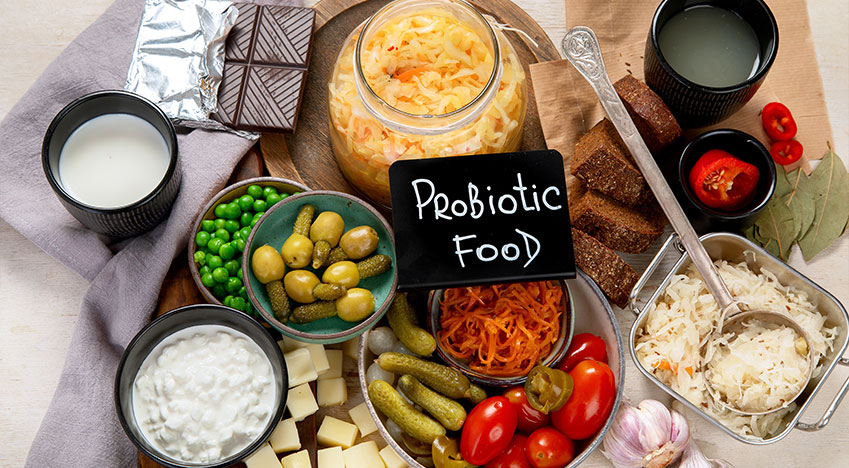
Cultured Vegetables: Sauerkraut, kimchi, pickles, and fermented relish.
-
Aged and Cultured Dairy: Cheddar, parmesan, gouda, blue cheeses, yogurt, and kefir.
-
Brewed and Cultured Beverages: Kombucha, craft beer, aged red wine, and water kefir.
-
Cured and Processed Meats: Salami, prosciutto, pepperoni, and aged beef.
-
Slow-Cooked Stocks: Bone broths simmered for twelve to forty-eight hours, which extract vast quantities of gelatin, collagen, and amino acids that continuously convert into histamine under prolonged heat.
-
Soy-Based Ferments: Miso, tempeh, tamari, and traditional soy sauce.
For an individual with robust metabolic machinery, consuming these items causes zero distress. The digestive system neutralizes the ingested amines before they can cross into general circulation. For someone with an impaired degradation pathway, however, eating a bowl of kimchi is biochemically equivalent to dumping a gallon of water into an already overflowing bucket.
The Enzymatic Bottleneck: Why the Gut Fails to Clear Histamine
When you swallow dietary histamine, your primary line of defense is an enzyme called diamine oxidase, commonly referred to as DAO.
Synthesized and stored in the microscopic finger-like projections of your small intestine known as enterocytes, DAO sits directly on the epithelial brush border. Its biological mandate is straightforward: intercept biogenic amines within the digestive tract and neutralize them through oxidative deamination before they can penetrate the intestinal barrier and enter your bloodstream. A secondary intracellular enzyme, histamine N-methyltransferase, operates downstream in the liver, kidneys, and central nervous system to break down histamine that has already entered your tissues.
When DAO activity is compromised, dietary histamine slips through the intestinal wall completely unchecked. This enzymatic deficiency rarely occurs at random. Instead, it is almost always driven by underlying issues within the digestive landscape:
Brush Border Damage and Intestinal Inflammation
Because DAO is produced specifically along the tips of mature intestinal villi, any condition that damages the integrity of the gut lining diminishes enzyme production. Chronic inflammatory conditions like celiac disease, inflammatory bowel disease, or widespread non-celiac gluten sensitivity physically blunts these villi. When the microvilli are eroded or inflamed, the specialized cells responsible for churning out DAO simply cease to function at full capacity.
Small Intestinal Bacterial Overgrowth (SIBO)
The small intestine is designed to house a relatively modest microbial population compared to the dense jungle of the colon. When bacteria migrate upward and colonize the small intestine, they irritate the brush border and interfere with local enzyme production. Worse, many opportunistic bacterial species produce histamine on their own, manufacturing a steady internal supply directly over the very tissues that are supposed to neutralize it.
Pharmaceutical Inhibition
A surprising number of widely prescribed and over-the-counter medications directly inhibit DAO activity or trigger the spontaneous release of endogenous histamine from mast cells. Common culprits include non-steroidal anti-inflammatory drugs like ibuprofen and naproxen, acid-blocking proton pump inhibitors and H2 receptor antagonists, certain classes of antidepressants, and antiarrhythmic heart medications. Ironically, individuals frequently take these medications to treat the very headaches, joint pain, and acid reflux driven by their undiagnosed histamine overload.
The Chameleon of Symptoms: Recognizing the Warning Signs
Histamine intolerance is notoriously difficult to diagnose because its manifestations rarely look like a simple food allergy. A true allergy is mediated by IgE antibodies, producing immediate, predictable, and acute symptoms such as anaphylaxis, facial swelling, or severe hives shortly after ingestion.
Histamine intolerance, by contrast, is a dose-dependent threshold response. You might eat a serving of yogurt on Monday and feel entirely fine because your bucket still had room to spare. But on Tuesday, after consuming a turkey sandwich made with three-day-old leftovers and a glass of kombucha, the bucket spills over. Symptoms often surface hours later, leading people to blame the wrong food or conclude their health issues are completely random.
Because histamine receptors—designated H1, H2, H3, and H4—are distributed widely across human anatomy, the symptoms cross multiple clinical domains.
Neurological and Psychological Manifestations
Histamine functions as an excitatory chemical in the central nervous system. When levels run excessively high, it acts like an open throttle on your neurological circuitry.
Common indicators include sudden-onset migraines or dull, throbbing headaches that resist typical over-the-counter remedies. Many people experience unexplained spikes in anxiety, persistent irritability, or feelings of unprovoked panic twenty to sixty minutes after eating. Sleep disruption is particularly prevalent; histamine suppresses melatonin and promotes wakefulness, leading to classic midnight awakenings accompanied by an active, racing mind and difficulty returning to restorative sleep.
Cardiovascular and Thermoregulatory Signs
Histamine is a powerful vasodilator, relaxing the muscular walls of blood vessels. As systemic vessels dilate, blood pressure drops, prompting the heart to beat faster to maintain adequate perfusion throughout the body.
Individuals often report sudden palpitations, a pounding pulse in their ears when lying down, or a lightheaded sensation upon standing up quickly. In response to dilated capillaries near the surface of the skin, localized flushing across the neck, chest, and face frequently appears during or immediately after meals, often accompanied by sudden shifts in perceived body temperature.
Respiratory and Mucosal Irritation
Histamine triggers fluid secretion and tissue swelling in mucous membranes. Chronic, non-allergic post-nasal drip, a persistent morning throat-clearing habit, sudden bouts of sneezing after meals, and a chronically stuffy nose that worsens after dinner are hallmark signs. In individuals with underlying airway sensitivity, it can also manifest as exercise-induced bronchospasm or an unexplained tightness in the chest.
Gastrointestinal Turbulence
Within the digestive tract itself, high histamine levels stimulate excess gastric acid secretion and accelerate smooth muscle contractions. This creates an erratic pattern of symptoms often misdiagnosed as standard irritable bowel syndrome, including sudden abdominal cramping, urgent episodes of watery diarrhea, persistent acid reflux, and painful stomach distension that develops rapidly after meals containing cultured or aged ingredients.
Strategic Recovery: Navigating Out of Histamine Overload
Recovering from histamine intolerance does not mean committing to a permanently restrictive lifestyle. It requires strategically lowering the incoming burden while actively rehabilitating the underlying mechanisms responsible for your enzymatic breakdown.
Step 1: Temporarily Halt the Fermented Superfoods
The fastest way to lower the histamine water level is to immediately remove the highest-density sources from your daily routine. Cease consumption of kombucha, sauerkraut, kimchi, aged cheeses, vinegar-heavy condiments, processed charcuterie, and prolonged bone broths.
Equally important is reevaluating how you handle leftovers. Bacteria continue to multiply and convert histidine into histamine on cooked food stored in the refrigerator. A roasted chicken breast that was low in histamine on Sunday evening will accumulate a substantially higher histamine load by Wednesday afternoon. Cook fresh meals in appropriate portions, and immediately freeze portions you do not intend to consume within twenty-four hours, as freezing halts bacterial amine production completely.
Step 2: Source Low-Histamine Whole Foods
Replace fermented items with fresh, minimally processed staples that provide dense nutrition without triggering your mast cells or overwhelming DAO:
-
Fresh Proteins: Unaged, flash-frozen poultry, freshly caught wild fish, pastured eggs, and freshly butchered beef.
-
Fresh Produce: Broccoli, zucchini, cauliflower, carrots, asparagus, apples, blueberries, and leafy greens (excluding spinach).
-
Complex Carbohydrates: Sweet potatoes, white rice, oats, quinoa, and butternut squash.
-
Healthy Fats: Fresh extra-virgin olive oil, coconut oil, and grass-fed butter or ghee.
Take care to differentiate between foods that contain actual histamine and those that act as histamine liberators—items that do not necessarily contain high amine levels themselves but prompt your immune cells to release their own stored histamine. Common liberators include citrus fruits, strawberries, tomatoes, spinach, and alcohol.
Step 3: Choose Probiotics with Caution
One of the most devastating missteps people make when attempting to heal their gut is blindly taking broad-spectrum probiotic supplements. Many commercially dominant probiotic strains are naturally high histamine producers. Ingesting billions of colony-forming units of these specific species can continually restock your digestive tract with histamine-generating factories.
When selecting probiotic support, avoid formulations that heavily feature Lactobacillus casei, Lactobacillus bulgaricus, Lactobacillus reuteri, and Lactobacillus helveticus.
Instead, look for strains clinically recognized to degrade histamine or remain amine-neutral. Beneficial species include Bifidobacterium infantis, Bifidobacterium longum, Lactobacillus plantarum, and select soil-based organisms like Bacillus coagulans. These strains help rebalance the colonic microbiome without compounding your daily symptom burden.
Step 4: Supply Essential Enzymatic Cofactors
Enzymes do not work in a biological vacuum; they require specific vitamin and mineral cofactors to maintain their structural integrity and catalytic activity.
Diamine oxidase depends heavily on vitamin B6 (in its active pyridoxal-5-phosphate form), vitamin C, zinc, and copper. A deficiency in any of these micronutrients limits your body’s ability to synthesize functional DAO, regardless of whether your gut lining is healthy. Prioritizing foods rich in these nutrients or supplementing thoughtfully can help restore baseline enzymatic production.
In situations where dietary exposure is unavoidable—such as dining out or traveling—supplemental DAO derived from porcine kidney extract can be taken directly before a meal. While oral DAO does not cure the underlying condition or absorb into systemic circulation, it acts locally in the digestive lumen, breaking down incoming dietary amines before they can cross into your bloodstream.
Reframing the Path to Gut Health
The modern wellness landscape often relies on blanket solutions: eat more fermented foods, swallow more probiotics, drink more broth, and your health will inevitably follow. But human physiology is far too nuanced for universal prescriptions. What serves as an anti-inflammatory superfood for one person can act as an inflammatory trigger for someone whose enzymatic clearing pathways are compromised.
Histamine intolerance is fundamentally a temporary state of metabolic and digestive dysregulation, not a life sentence. It is a biological distress signal indicating that your intestinal brush border is inflamed, your microbiome is out of equilibrium, or your detoxification pathways are overextended.
By temporarily setting aside fermented foods, prioritizing absolute freshness, supporting your natural enzyme pathways, and addressing the root drivers of intestinal inflammation, you allow your biological bucket to finally drain. Health is not about forcing your body to tolerate trends; it is about providing the precise conditions your system needs to restore its own innate balance.