Health & Fitness Guide UK – Stay Active

Posts Slider

Common Pregnancy Myths Debunked

December 24, 2025

Hydration Tips Most People Ignore

November 27, 2025

Meditation: A Practical Guide to Inner Calm and...

November 13, 2025

Healthy Eating Myths That Affect Your Wellbeing

October 25, 2025

Fitness Trainer: Your Guide to a Stronger, Healthier...

October 11, 2025
  • Fitness Trainer
  • Health
  • Therapy
  • Meditation
  • Pregnancy
  • Nutrition
  • Treatment
  • Get Support
@2026 -Health N Fitness Guide All Right Reserved.
Category:

Meditation

Meditation

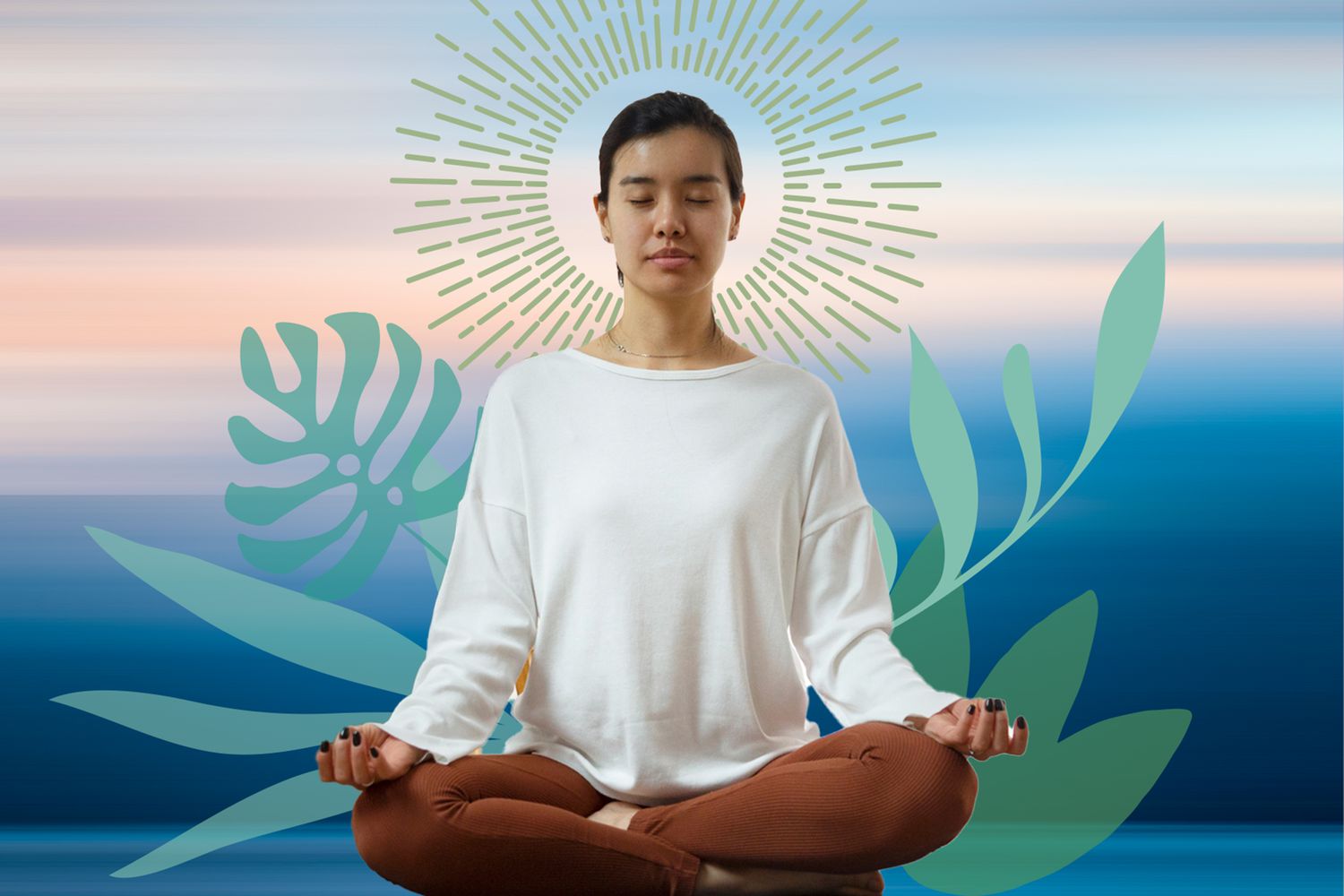
Meditation: A Practical Guide to Inner Calm and Mental Clarity

by Taylor Arturo November 13, 2025
written by Taylor Arturo

Meditation is an ancient practice that has quietly stood the test of time, evolving across cultures and generations. Today, it is widely embraced not as a spiritual luxury, but as a practical tool for managing stress, sharpening focus, and improving overall well-being. At its core, meditation is about training the mind to become more aware, present, and balanced.

Rather than emptying the mind, meditation teaches you how to observe your thoughts without judgment. This simple shift can have profound effects on how you respond to daily challenges, emotions, and distractions.

What Is Meditation?

Meditation is a mental practice that involves directing attention intentionally. This may be toward the breath, a mantra, bodily sensations, or even silence itself. Over time, this practice builds mental resilience and emotional stability.

While meditation has roots in spiritual traditions, modern meditation is completely adaptable. It can be practiced by anyone, regardless of belief system, age, or lifestyle.

Why Meditation Matters in Modern Life

In a fast-paced, always-connected world, the mind rarely gets a moment to rest. Meditation provides that pause.

Key reasons people turn to meditation include:

  • Reducing stress and anxiety

  • Improving concentration and memory

  • Enhancing emotional regulation

  • Supporting better sleep quality

  • Encouraging self-awareness and clarity

Consistent meditation doesn’t remove problems, but it changes how you relate to them. This shift often leads to calmer decisions and healthier reactions.

Popular Types of Meditation

Meditation is not a one-size-fits-all practice. Different techniques suit different personalities and goals.

Mindfulness Meditation

This involves paying attention to the present moment, usually through the breath or bodily sensations. Thoughts are noticed, not suppressed.

Best for: Stress reduction, emotional awareness, daily life integration.

Focused Attention Meditation

Attention is placed on a single object, sound, or mantra. When the mind wanders, it is gently brought back.

Best for: Improving concentration and mental discipline.

Loving-Kindness Meditation

This practice cultivates feelings of goodwill toward yourself and others through intentional phrases or visualizations.

Best for: Emotional healing, compassion, and reducing negative thought patterns.

Body Scan Meditation

Attention moves slowly through the body, noticing sensations without trying to change them.

Best for: Relaxation, tension release, and sleep preparation.

How to Start Meditating (Without Overthinking It)

Starting meditation does not require special equipment or long sessions. Simplicity is key.

Beginner-Friendly Steps

  • Find a quiet, comfortable place to sit or lie down

  • Set a short time limit (5–10 minutes is enough)

  • Focus on your breath or a chosen point of attention

  • When your mind wanders, gently bring it back

  • End the session without rushing

Consistency matters more than duration. Even a few minutes daily can create noticeable changes over time.

Common Challenges and How to Handle Them

Many beginners believe they are “bad” at meditation. This is a misconception.

Restlessness: Normal. The mind is learning a new habit.
Intrusive thoughts: Not a failure. Noticing them is part of the practice.
Inconsistency: Start small and attach meditation to an existing routine.

Meditation is not about perfection. It’s about showing up.

Long-Term Benefits of a Regular Practice

With sustained practice, meditation can influence both mental and physical health. Research and real-world experience consistently point to:

  • Lower baseline stress levels

  • Improved emotional intelligence

  • Better decision-making under pressure

  • Increased patience and self-control

  • A deeper sense of mental clarity

These benefits compound gradually, much like physical exercise.

Integrating Meditation Into Daily Life

Meditation doesn’t have to stay on the cushion. Its real value shows up in everyday moments.

You can practice mindfulness while:

  • Walking

  • Eating

  • Listening during conversations

  • Pausing before reacting emotionally

Over time, meditation becomes less of an activity and more of a way of being.

Frequently Asked Questions (FAQ)

1. How long should I meditate each day?

Beginners can start with 5–10 minutes daily. Consistency is more important than session length.

2. Is meditation the same as relaxation?

No. Relaxation can be a result, but meditation primarily trains awareness and attention.

3. Can meditation help with anxiety?

Yes. Many people use meditation to better observe anxious thoughts rather than being overwhelmed by them.

4. Do I need to sit cross-legged to meditate?

Not at all. You can sit on a chair, lie down, or even practice while walking.

5. How long does it take to see results?

Some benefits, like calmness, may appear quickly. Deeper changes often develop over weeks of regular practice.

6. Can meditation be religious?

Meditation can be spiritual, but it does not have to be. It works equally well as a secular mental practice.

7. What is the best time of day to meditate?

There is no universal best time. Morning works well for focus, while evening can support relaxation.
November 13, 2025 0 comments
0 FacebookTwitterPinterestEmail
Meditation

Meditation: A Science-Backed Path to Mental Clarity and Holistic Well-Being

by Taylor Arturo June 22, 2025
written by Taylor Arturo

Meditation is an ancient practice with roots spanning thousands of years, yet in modern times it has emerged as a scientifically validated method for enhancing mental health, cognitive performance, and overall wellness. A meditation practice involves focused attention, awareness, and deliberate mental exercises aimed at cultivating mindfulness, emotional balance, and physiological resilience. Today, meditation is widely recognised not just for spiritual growth but for its measurable impact on brain function, stress regulation, and long-term health outcomes.

Understanding Meditation: Core Principles

Meditation is a multifaceted practice with several modalities, each designed to refine awareness and mental control. The fundamental principles of meditation include:

  • Focused Attention: Concentrating on a specific object, breath, mantra, or visualisation to anchor the mind.
  • Open Monitoring: Observing thoughts, emotions, and bodily sensations non-judgmentally to cultivate self-awareness.
  • Acceptance and Non-attachment: Allowing experiences to arise without clinging or aversion, fostering mental resilience.
  • Intentional Practice: Regular, disciplined sessions enhance neural plasticity, emotional regulation, and stress resilience.

Meditation is not a one-size-fits-all method; practitioners often select approaches that align with their personal objectives, lifestyle, and mental tendencies.

Types of Meditation and Their Applications

Modern neuroscience and psychology recognise numerous forms of meditation, each with specific benefits:

Mindfulness Meditation

Mindfulness meditation encourages full presence in the current moment. Practitioners focus on breath, bodily sensations, or surrounding stimuli, cultivating heightened awareness and decreased rumination. Clinical studies indicate that mindfulness meditation can reduce symptoms of anxiety, depression, and chronic pain.

Transcendental Meditation

Transcendental meditation involves silently repeating a specific mantra to transcend active thought patterns. Research suggests it improves autonomic nervous system balance, reduces blood pressure, and enhances cognitive focus.

Loving-Kindness Meditation

Also known as Metta meditation, this technique cultivates compassion and emotional connection by directing positive intentions toward oneself and others. Studies demonstrate that loving-kindness meditation enhances empathy, reduces social stress, and promotes pro-social behaviour.

Body Scan Meditation

This practice involves sequential attention to different parts of the body, detecting tension, and releasing it consciously. It improves body awareness, relaxation, and can be an effective adjunct for chronic pain management.

Zen Meditation

Rooted in Buddhist traditions, Zen meditation emphasises seated posture, breath awareness, and sometimes koan contemplation. It strengthens concentration, self-discipline, and emotional equanimity.

Movement-Based Meditation

Techniques like yoga, Tai Chi, and Qigong combine physical postures with mindful awareness, integrating mental focus with bodily control to enhance flexibility, balance, and internal energy regulation.

Physiological Effects of Meditation

Scientific research consistently validates the physiological impact of meditation, highlighting its transformative potential:

  • Stress Reduction: Meditation decreases cortisol levels, attenuating the chronic stress response.
  • Cardiovascular Health: Regular practice can lower blood pressure, improve heart rate variability, and reduce inflammation markers.
  • Neuroplasticity: Meditation strengthens neural circuits associated with attention, memory, and executive function.
  • Immune System Support: Evidence shows enhanced immune response, likely due to reduced stress and inflammation.
  • Hormonal Balance: Mindful meditation regulates hormones linked to stress, metabolism, and emotional stability.

Meditation and Mental Health

Meditation is increasingly incorporated into clinical and psychological interventions due to its robust effects on mental well-being:

  • Anxiety and Depression: Mindfulness-Based Cognitive Therapy (MBCT) has been shown to prevent relapse in depression and alleviate generalized anxiety symptoms.
  • Cognitive Enhancement: Regular practice improves focus, working memory, and processing speed.
  • Emotional Regulation: Meditation fosters awareness of triggers, reducing impulsivity and emotional reactivity.
  • Resilience and Coping: Practitioners demonstrate increased resilience when faced with psychological stressors and life challenges.

Integrating Meditation into Daily Life

For meditation to yield measurable benefits, consistent and intentional practice is essential. Strategies for integration include:

  • Scheduled Sessions: Committing 10–30 minutes daily enhances habit formation and neural adaptation.
  • Micro-Meditations: Short 1–5 minute sessions throughout the day help manage acute stress.
  • Guided Meditations: Audio or app-guided sessions provide structured support, especially for complex techniques.
  • Environmental Optimisation: Creating a quiet, comfortable space reduces distractions and reinforces consistency.
  • Tracking Progress: Journaling experiences, mood changes, and session consistency helps maintain accountability.

Advanced Techniques for Experienced Practitioners

Seasoned meditators often employ sophisticated methods to deepen awareness and mental control:

  • Open Awareness Practice: Expanding attention to all internal and external phenomena without judgment to cultivate meta-awareness.
  • Visualization Techniques: Using detailed mental imagery to enhance cognitive control, goal attainment, and creativity.
  • Mantra Exploration: Investigating subtle vibrational effects of sound or phrase repetition to modulate neural rhythms.
  • Intermittent Fasting with Meditation: Integrating fasting practices can amplify neuroplasticity and metabolic benefits during mindfulness sessions.
  • Silent Retreats: Extended periods of intensive meditation enhance introspection, focus, and emotional clarity.

Common Challenges and Solutions

Even experienced practitioners encounter obstacles:

  • Mind Wandering: Redirecting focus gently to breath or mantra prevents frustration and fosters patience.
  • Restlessness: Incorporating movement-based meditation or adjusting posture improves comfort.
  • Inconsistency: Scheduling fixed daily sessions and using digital reminders can improve adherence.
  • Emotional Release: Meditation may surface suppressed emotions; acknowledging and processing them is part of long-term growth.

Scientific Evidence Supporting Meditation

Over the last two decades, meditation has been extensively studied across multiple disciplines. Key findings include:

  • MRI studies revealing increased cortical thickness in regions associated with attention and sensory processing.
  • Reduced amygdala reactivity, correlating with decreased stress and emotional reactivity.
  • Enhanced connectivity in default mode network regions, improving self-reflection and mind-wandering regulation.
  • Meta-analyses showing significant reductions in anxiety, depression, and chronic pain symptoms in meditation practitioners.

Meditation and Lifestyle Integration

Meditation is most effective when combined with supportive lifestyle practices:

  • Balanced Nutrition: Diets rich in anti-inflammatory foods enhance cognitive and emotional benefits.
  • Regular Physical Activity: Exercise synergises with meditation to improve mood, energy levels, and neuroplasticity.
  • Adequate Sleep: Restorative sleep consolidates the neural adaptations promoted by meditation.
  • Mindful Work Habits: Integrating short meditative breaks enhances focus and reduces burnout in professional environments.

FAQs About Meditation

How long does it take to see benefits from meditation?
Benefits vary based on consistency and technique. Some improvements in stress and focus may appear within a few weeks, while neuroplastic changes and emotional resilience develop over months.

Can meditation be practised without spiritual beliefs?
Absolutely. Meditation can be approached scientifically, focusing on cognitive, emotional, and physiological outcomes without spiritual frameworks.

Is it necessary to meditate every day?
Daily practice enhances cumulative benefits, but even intermittent sessions provide measurable improvements in stress management and mental clarity.

Can meditation help with sleep disorders?
Yes, mindfulness and body scan meditations reduce insomnia symptoms by calming the mind and lowering physiological arousal before bedtime.

Are there risks associated with meditation?
Meditation is generally safe, but intense retreats or prolonged sessions may surface unresolved trauma. Guidance from experienced instructors is recommended for advanced practices.

Which meditation style is best for beginners?
Mindfulness and guided meditations are often most accessible, providing structured techniques for developing focus and awareness.

Can children and adolescents benefit from meditation?
Yes, evidence shows improved attention, emotional regulation, and academic performance in young populations practising age-appropriate meditation techniques.

Does meditation improve memory and cognitive performance?
Studies indicate enhanced working memory, executive function, and attentional control in regular practitioners, likely due to structural and functional brain changes.

Meditation is a profound tool for cultivating mental clarity, emotional balance, and physiological resilience. With a disciplined, evidence-informed practice, individuals can harness meditation to reduce stress, enhance cognitive performance, and foster holistic well-being, making it a cornerstone of modern lifestyle optimisation.

June 22, 2025 0 comments
0 FacebookTwitterPinterestEmail
Meditation

Meditation guided vs meditation

by Taylor Arturo May 12, 2021
written by Taylor Arturo

The new meditator challenge has when learning meditation is whether it will use guided mediation or use unworked meditation. Our goal in this article is to see both types of meditation so you can choose which meditation style that suits your needs.

Guided meditation involves someone guiding you through a meditation process. That is they really talk through the whole process of meditation. There are several advantages and disadvantages for this technique. One reason you can consider guided meditation is to help expand your understanding of various meditation techniques.

Guided meditation techniques can be presented in several ways. You can do a guided meditation session in a small group with a meditation practitioner or you might carry out a guided meditation session using a meditation CD or DVD meditation.

If you first start, a guided meditation session is a good way to learn meditation because meditation practitioners will talk to you through experience and to help you identify what you have to feel and how effectively move you into your meditation state technique trying to make You enter.

For example if your guided meditation sessions teach you how to master deep breath meditation techniques, practitioners will talk to you by relaxing and releasing tensions in your body. They will also be able to tell you what you should think and feel. Good practitioners will also give you some exercises during sessions to try at home that will help your experiment with meditation techniques.

Clear weakness for guided meditation is that someone really speaks to you during a meditation session. Sometimes the person to be found is that it is difficult to achieve the country they tried to achieve when someone spoke during the session. Often what you have to do is follow a guided meditation session for several times until you can learn and remember the meditation process and then try it for yourself in your own meditation session.

Some meditation centers also offer unworked meditation sessions in a group. What this means is that the entire group meditated together but the session was carried out in silence with no one to speak. Many group meditation sessions even though they will still use meditation music as a basis for sessions.

Some meditation classes in remote locations will conduct a session that is not charged around it and will use nature as a tool to help bring groups to the point of relaxation. Once again even though one of the key elements of this non-integrated session was that no one was allowed to speak during the meditation period. Group leaders will generally use a special voice to end the group meditation session.

Most professional meditation practitioners will recommend that someone new meditated take a guided meditation session so that they can learn how to achieve the state of the mind of the type of meditation they are trying to get. Learning meditating is one of the most important tools that can be mastered by humans and can help improve your daily life and help you overcome your environment.

After you do some guided meditation sessions, you will certainly be able to pursue the meditation sessions that are not lifted and more exercise, your meditation is more effective. It should also be considered buying several different guided meditation CDs so if you are not sure what to do during meditation sessions, you can refer to the meditation CD as a reference.

May 12, 2021 0 comments
0 FacebookTwitterPinterestEmail
Meditation

Learn to meditate today

by Taylor Arturo April 10, 2021
written by Taylor Arturo

So you want to learn to meditate? We heard about meditation in the news, read about it on the Internet, and some of us may even have one or two friends who do it themselves. Currently, the extraordinary stress in the lives of so many people that they will return centuries-old practice that is meditation. Meditation is not a religion or a culture. Although practiced by Buddhists, you do not have to be a Buddhist to meditate.

In fact, millions of people meditate regularly and do not have the first clue about Buddhism. However, a lot of people out there still have the misconception that in order to meditate, you have to become a Buddha and to meditate at a monastery somewhere in a mountain in Asia. This could not be further from the truth.

So, what exactly is meditation that you may ask? Well, according to Wikipedia, meditation is “mental discipline in which someone tried to transcend the mind reflexive, ‘thinking’ into a state of relaxation or awareness deeper.” What does it mean? In simple English, meditation is about to become more aware of themselves, and thereby develop the mind clearer and more focused.

It is common that some of the benefits you can expect from meditating:

1) Those who learn to meditate become aware of their intelligence. It is a means to interact with the world objectively without bias.
2) Those who learn to meditate develop self-awareness that allows us to focus on the present and not worry about the past or now (emphatically).
3) Those who learn to meditate develop insight into the connection between mind and body, and establish better control over them.
4) Those who learn to meditate become more appreciative of life. Small moments that will bring joy as much or more.
5) Those who learn to meditate learn to accept what life has to offer, and not have to worry about what we want. Jealousy and frustration will begin to fade.

That’s right. Those who learn to meditate place themselves in a position to realize the lifestyle is much more healthy and productive. After all, who would not want to feel better about themselves? The obvious question is … This sounds good, but can I learn to meditate? The fact that you are reading this article refers to two requirements necessary to begin the process of meditation: 1) You can read and 2) you can understand what you read. That’s all you need to do to learn to meditate. It’s easy to get started. Now you have an idea of ​​meditation and how your benefits; You are ready to get started? Big!

First of all, there are many meditation techniques available to pursue. Each has a different method to achieve the benefits we have talked about. Spells, for example, using the chants and mantras, while Vipassana concentrate on your breathing. Those who want to learn to meditate should select a method that suits them.

However, there are basic techniques that can be applied to meditation regardless of the specific method selected. These are some things to remember someone as they embark on their meditation journey:

1) Find the perfect place to meditate – find a clean, quiet and secluded to meditate.
2) Make sure no one bothers you
3) Make sure you achieve good posture
4) Practice and learn 3 yoga meditation aides deep contraction, deep relaxation and deep breathing.
5) Be patient. Mastering the practice of meditation is a process that takes time and consistent effort.
6) Relax. Remember that meditation was fun and no religious rites of any kind.
7) Be consistent and practice your meditation techniques regularly. Make a habit of meditation in your life.

When you start to learn to meditate, you will begin to experience all of the benefits offered meditation. Starting today. Those who learn to meditate will not be disappointed with the results.

April 10, 2021 0 comments
0 FacebookTwitterPinterestEmail

Top Posts

  • How Early Treatment Improves Outcomes

    January 24, 2026
  • Therapy: A Practical Guide to Healing, Growth, and Self-Understanding

    January 10, 2026
  • Common Pregnancy Myths Debunked

    December 24, 2025
  • Hydration Tips Most People Ignore

    November 27, 2025
  • Meditation: A Practical Guide to Inner Calm and Mental Clarity

    November 13, 2025

Recent Posts

  • How Early Treatment Improves Outcomes January 24, 2026
  • Therapy: A Practical Guide to Healing, Growth, and Self-Understanding January 10, 2026
  • Common Pregnancy Myths Debunked December 24, 2025
  • Hydration Tips Most People Ignore November 27, 2025
  • Meditation: A Practical Guide to Inner Calm and Mental Clarity November 13, 2025
  • Healthy Eating Myths That Affect Your Wellbeing October 25, 2025
  • Fitness Trainer: Your Guide to a Stronger, Healthier Life October 11, 2025
  • Fitness Trainer: Guiding the Journey to Optimal Health and Performance September 11, 2025

2026

  • + January (2)

2025

  • + December (1)
  • + November (2)
  • + October (2)
  • + September (2)
  • + August (2)
  • + July (2)
  • + June (3)
  • + May (1)
  • + March (1)
  • + February (1)

2024

  • + June (1)
  • + February (1)
  • + January (2)

2023

  • + December (2)
  • + June (1)
  • + May (1)
  • + April (1)
  • + March (1)

2022

  • + September (1)
  • + July (3)

2021

  • + May (2)
  • + April (5)
  • + March (3)
  • + February (4)
  • + January (3)
  • Get Support

@2026 -Health N Fitness Guide All Right Reserved.