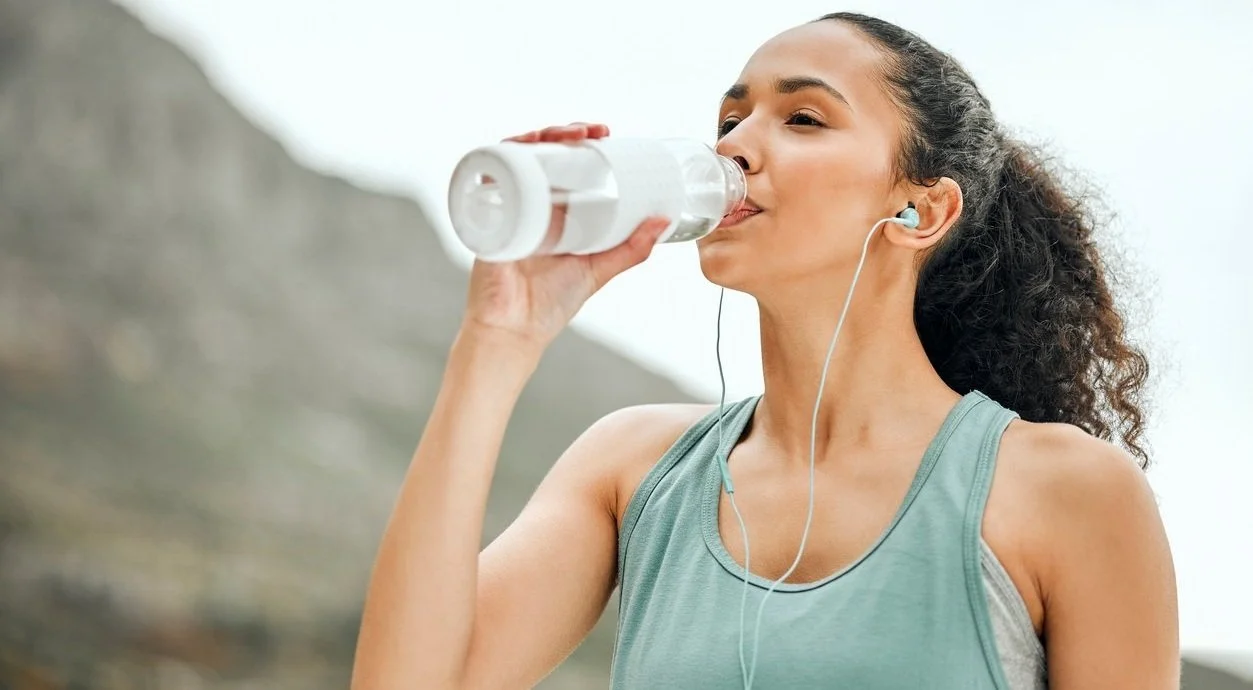
Staying hydrated sounds simple—drink water, repeat. Yet many people still walk around mildly dehydrated without realizing it. That’s because hydration isn’t just about gulping down a few glasses when you feel thirsty. It’s shaped by habits, timing, food choices, and even the environment around you. Below are often-overlooked hydration tips that can quietly make a big difference in how you feel every day.
Thirst Is a Late Warning Sign
Most people wait until they feel thirsty to drink water. By then, your body is already playing catch-up.
What many don’t realize
-
Thirst usually appears after mild dehydration has started
-
Energy dips and headaches often show up before thirst does
Better approach
-
Sip water consistently throughout the day
-
Use routine triggers like waking up, meals, or work breaks to drink
You Lose Water Even When You’re Not Sweating
Hydration isn’t only about workouts or hot weather. Your body loses fluids constantly through breathing, digestion, and normal metabolic processes.
Hidden fluid losses include
-
Dry indoor air (especially with heating or air conditioning)
-
Long hours of talking or screen time
-
Stress, which subtly increases water demand
Drinking small amounts regularly helps offset these unnoticed losses.
Food Can Hydrate You More Than You Think
Water doesn’t only come from a glass. Many foods quietly contribute to daily hydration, yet most people underestimate their impact.
High-water foods worth prioritizing
-
Cucumbers, lettuce, tomatoes
-
Oranges, berries, watermelon
-
Yogurt and soups
Eating water-rich foods is especially helpful for people who forget to drink enough fluids.
Electrolytes Matter More Than Volume
Drinking excessive plain water without replacing minerals can sometimes backfire, especially if you sweat a lot.
Key electrolytes your body needs
-
Sodium for fluid balance
-
Potassium for muscle and nerve function
-
Magnesium for cellular hydration
You don’t need fancy drinks—balanced meals and lightly salted foods often do the job.
Your Morning Hydration Sets the Tone
After hours of sleep, your body wakes up slightly dehydrated, yet many people go straight to coffee.
A smarter morning habit
-
Drink one glass of water before caffeine
-
Add a pinch of salt or a squeeze of lemon if you like
This helps kickstart digestion, circulation, and mental clarity.
Urine Color Is a Better Guide Than Apps
Hydration apps can help, but your body gives a simpler, more accurate signal.
What to look for
-
Pale yellow: well hydrated
-
Dark yellow: drink more
-
Completely clear all day: possibly overdoing it
This visual cue adjusts naturally for your size, activity, and climate.
Temperature Affects How Much You Drink
Cold water isn’t always ideal. Many people unconsciously drink less when water is ice-cold.
Try this instead
-
Room-temperature or slightly cool water for easy sipping
-
Warm water in cooler weather to stay consistent
Comfort matters more than perfection.
Hydration Supports Focus and Mood
Even mild dehydration can impact mental performance before physical symptoms appear.
Common signs people miss
-
Brain fog
-
Irritability
-
Difficulty concentrating
Regular hydration supports cognitive clarity just as much as physical endurance.
FAQs
How much water do I actually need per day?
There’s no universal number. Needs vary based on body size, activity level, diet, and climate. Listening to thirst cues and urine color is more reliable than fixed targets.
Can drinking too much water be harmful?
Yes, excessive water without electrolytes can dilute sodium levels. Balance is key, especially during intense exercise or long periods of sweating.
Does coffee or tea count toward hydration?
Yes, they contribute to fluid intake. While caffeine has a mild diuretic effect, it doesn’t cancel out the hydration benefit for most people.
Is sparkling water as hydrating as still water?
Yes. Carbonation doesn’t reduce hydration, though some people find it less comfortable to drink in large amounts.
Do I need electrolyte drinks every day?
Not usually. They’re most useful during heavy sweating, long workouts, or illness. Everyday meals often provide enough electrolytes.
Why do I still feel thirsty even when I drink water?
Possible reasons include high sodium loss, dry environments, stress, or insufficient electrolytes. Drinking water alone may not always solve the issue.
Does age affect hydration needs?
Yes. Older adults often feel less thirst, increasing dehydration risk. Intentional drinking habits become more important with age.